

What is the Peec AI Data Studio connector?
The Peec AI Data Studio community connector lets you import your AI search visibility data directly into Google Data Studio. You can then create custom dashboards and reports using your brand performance data from AI search engines like ChatGPT, Perplexity, and Gemini. Data Studio is Google’s free data visualization tool that helps you turn your data into informative, easy-to-read, and shareable dashboards and reports.How this helps
- Real-time data access: Connect directly to your Peec AI project for up-to-date visibility metrics.
- Custom visualizations: Create charts, graphs, and tables that match your reporting needs.
- Team collaboration: Share dashboards with stakeholders and team members.
How to set up the connector
Before you begin, ensure you have:- A Peec AI account with access to at least one project
- A Google account with access to Data Studio
Create the data source using the Peec connector
- Use this link to access Peec AI connector (make sure you’re signed in with your Google account).
- Create an API key in the Peec dashboard under “API Keys”
- When creating the key, select Scope: Project
- Give the key a name (e.g., “Data Studio Key”)
- Enter the API key in the empty field placeholder and click on Next, and then Connect
- Once it loads, click on Create Report and then Add to report
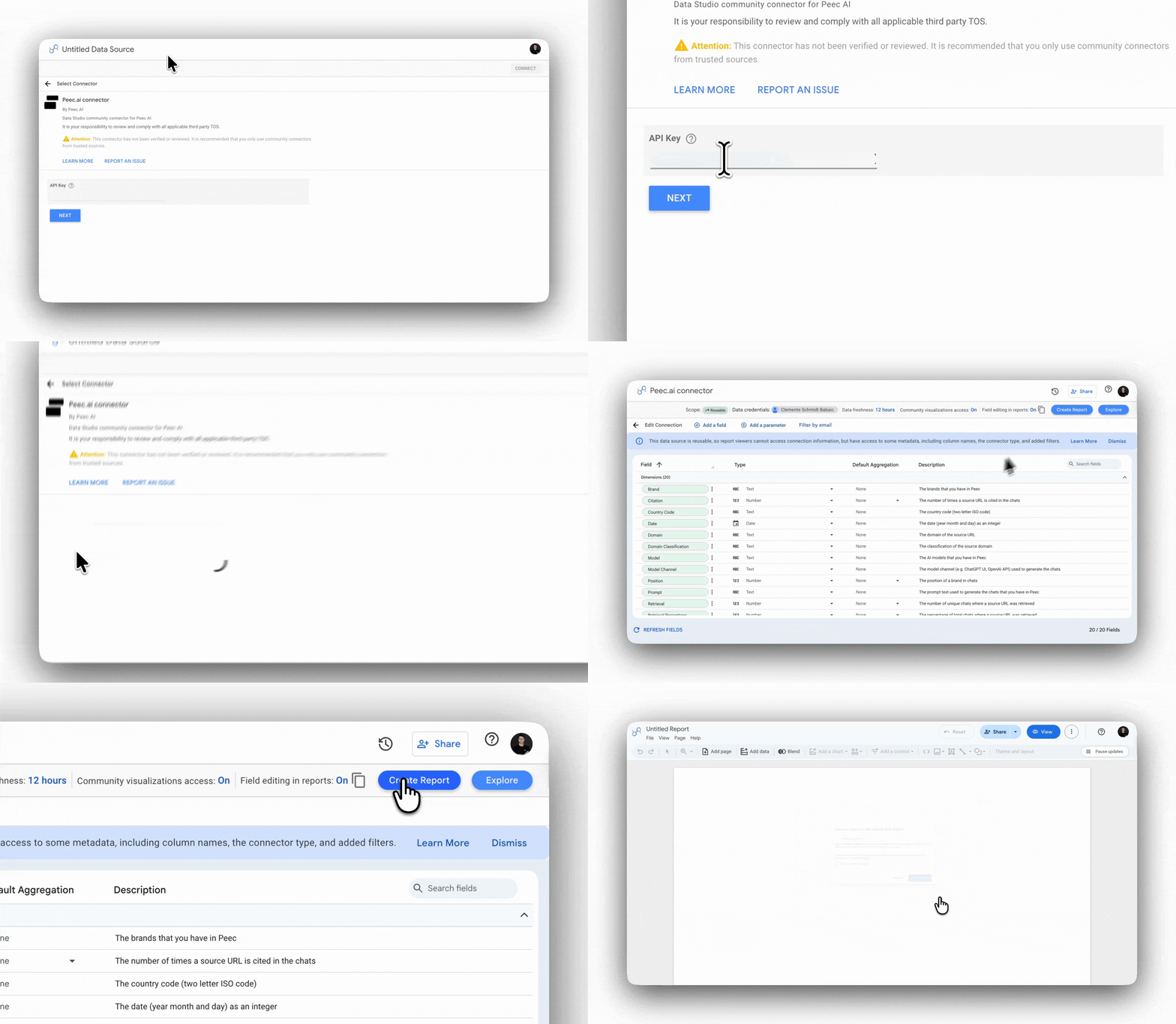
The Data Studio connector is available only to users with a valid Peec API Key in their account.
If you previously had a connection with Data Studio, you can simply follow the same steps, and once the data source is added, you can switch it in the report.
Available data fields
The Peec AI connector provides the following data fields:Dimensions
Metrics
Creating your first report
Watch “Creating Engaging Reports with Looker Studio 📊” on YouTube
Step 1: Create a new report
- After configuring your data source, click CREATE REPORT.
- Data Studio will open the report editor with your Peec AI data source connected.
Step 2: Add visualizations
Data Studio offers a wide range of charts and tables to fit your needs. Have a look at the Types of Charts in Data Studio for more options.Step 3: Apply filters and controls
Add interactive controls to make your reports dynamic.Getting help
If you encounter issues not covered here: Contact support: Email support@peec.ai with:- Description of the issue
- Screenshots if applicable